





ONE AND THE SAME DAY – MANY DIFFERENT TRADITIONS!
2026-02-15
Regardless of where in Europe you are, there is a day when it is completely acceptable to have an extra bun, pancake or doughnut. Shrove Tuesday, Fettisdagen, Fastnacht, Tłusty Czwartek, Mardi Gras, Martedì Grasso – many names for the same tradition. The origin, however, is the same: historically, this was the day when people ate the last of the good things before Lent began.
These days, fasting is no longer as natural a part of the celebration, but the day is still celebrated around the world. Preferably with some kind of pastry or other festivities.

Same tradition, different flavours
Even though the day comes from the same tradition, the festivities have taken different forms in different parts of the world.
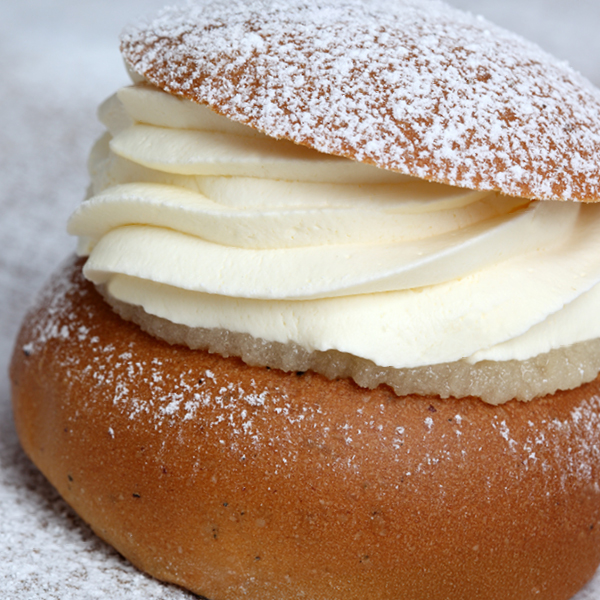
- In Sweden, the day means whipped cream, almond paste and a wheat bun – also known as a Semla. Shrove Tuesday is the Semla’s big moment – the pastry has gone from religious tradition to a natural classic during a Swedish‑style coffee break, a.k.a a fika.
- In the United Kingdom, the focus is on pancakes. Shrove Tuesday means thin pancakes with lemon and sugar, sometimes served at full speed during classic pancake races. An efficient (and entertaining) way to use up eggs and milk before Lent.
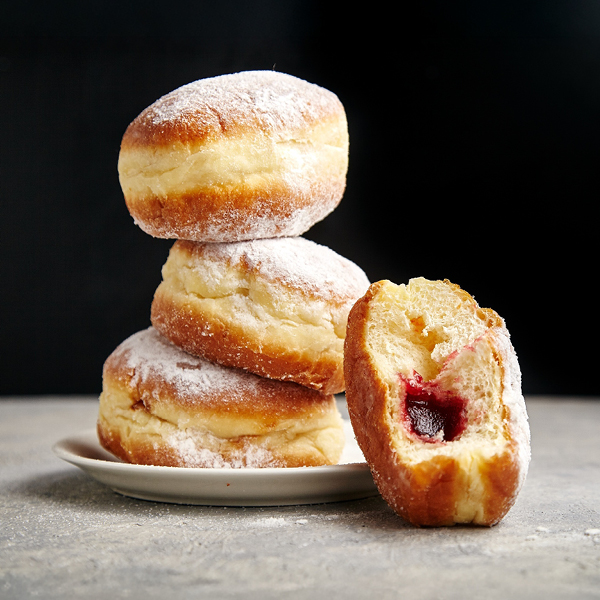
- In Germany, the day often coincides with carnival. Here, Fastnacht or Fasching is celebrated with masks, festivities and jam‑filled doughnuts – Berliner – symbolising abundance before restraint.
- In France, the name says exactly what it is: Mardi Gras, “Fat Tuesday”. Crêpes, waffles and fried pastries dominate, sometimes accompanied by carnivals, sometimes simply by a well‑filled dessert table. This tradition is also found in New Orleans in the USA, where the carnival is one of the most famous in the world.
- In Italy, the carnival season ends with Martedì Grasso. Masks, colour and traditional sweets such as chiacchiere take centre stage – thin, crispy pastries that are easy to eat and hard to stop eating.
- In Poland, the celebration is simply moved earlier and is called Tłusty Czwartek, Fat Thursday. It is the day when people eat pączki – a type of filled doughnut – preferably more than one. Avoiding them is still believed to bring bad luck, which makes the decision easy!
Even if the Swedes have their unique fika, the practice of celebrating before Lent with sweets is a universal tradition with deep historical roots. So, take the opportunity and enjoy an extra sweet break for the occasion – or if you live in Poland, have another pączki to join in the other countries’ preparations for Lent.